Home › Commercial Gravel-to-Asphalt Conversions
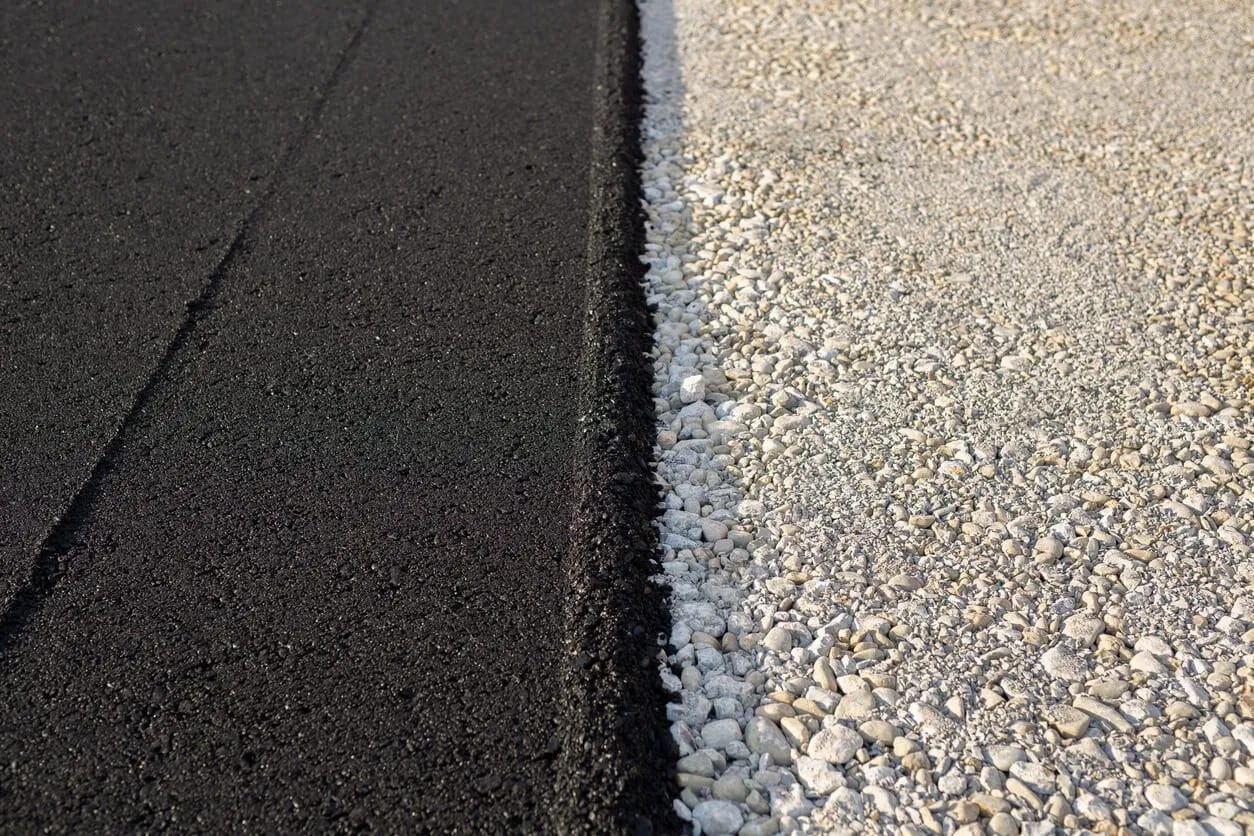
Upgrade dusty, muddy surfaces with commercial gravel to asphalt conversions in Memphis, TN. We turn gravel lots, drives, and access roads into smooth, striped asphalt surfaces that are easier to maintain and more professional for customers and staff.
Precision Asphalt Memphis provides professional commercial gravel to asphalt throughout Memphis, TN, Tennessee and the surrounding area. Our licensed, insured crew delivers safe, clean, on-time work with a free estimate before anything begins. Call (901) 519-3028 or request your free quote.
Turn Your Gravel Lot Into a Professional Asphalt Surface
If you manage a business in Memphis and are tired of dust, mud, and ruts in your gravel parking lot, Precision Asphalt Memphis can convert that gravel into a smooth commercial asphalt surface that looks professional and is easier to maintain. Our commercial gravel to asphalt service is tailored to local business properties, including retail centers, churches, medical offices, warehouses, and industrial yards.
Unlike a quick overlay, a gravel to asphalt conversion means building a proper base and drainage system beneath the new pavement. This is crucial in West Tennessee, where heavy summer storms and winter freeze-thaw can quickly destroy pavement that is not supported correctly. We inspect your existing gravel lot, determine what can be reused, and design an asphalt structure that fits vehicle loads, turning traffic, and the way your specific site drains water.
From the first site visit, we explain the options in plain language, including different asphalt mixes, thicknesses, and striping layouts. Our goal is to help you move from a dusty, uneven surface to a clean, clearly marked parking or drive area that supports your business image and reduces headaches for your tenants, customers, or drivers.
Step-by-Step: How a Gravel Lot Becomes Commercial Asphalt
A successful commercial gravel to asphalt project follows a sequence that protects your investment. Precision Asphalt Memphis starts with a detailed grading and base evaluation. We check how thick the existing gravel is, where water currently flows and stands, and where heavy trucks or delivery vehicles cause rutting. Soft or pumping areas are flagged for undercut and replacement.
Next, we shape the subgrade with motor graders and compact it using vibratory rollers to achieve a firm, uniform base. In areas that hold water, we may install underdrain or cut in shallow ditches and swales so rainfall can leave the pavement instead of soaking into it. For commercial sites with frequent truck traffic, we typically add and compact additional crushed stone so the base can support higher loads.
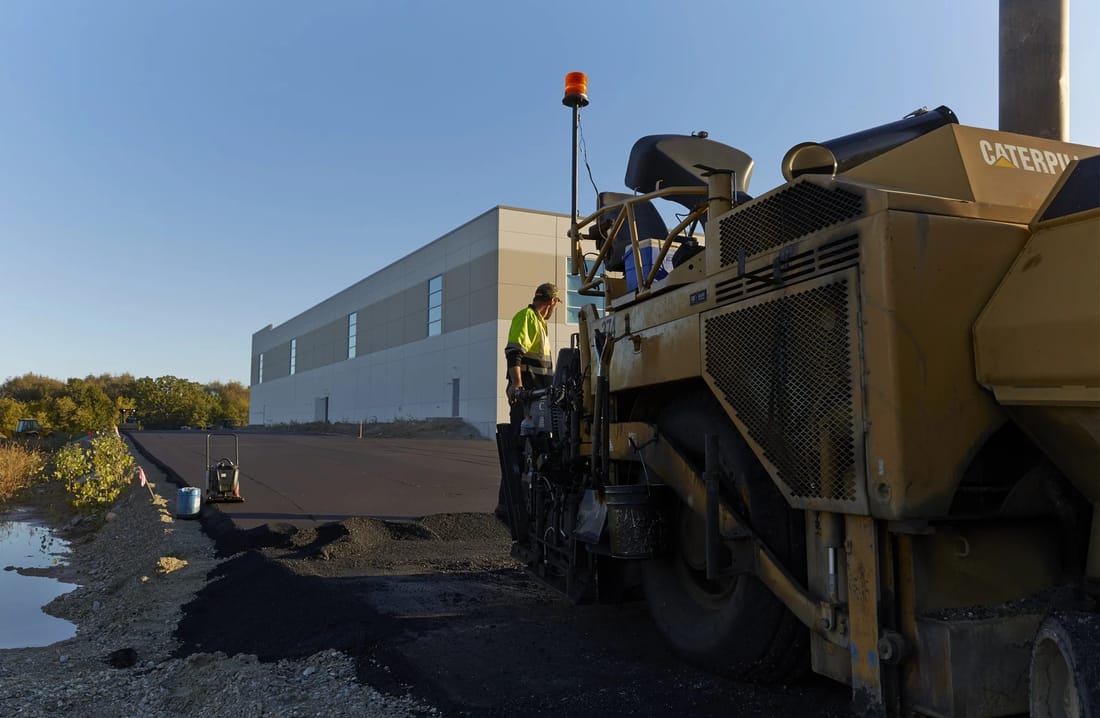
Once the base is stable and graded for proper slope, we apply tack coat where needed, then place hot mix asphalt delivered from a Memphis area plant. For most commercial lots, we use a base asphalt course followed by a finer surface course, each installed with a paving machine and rolled to proper density. Joints at tie-in points, such as existing streets or concrete pads, are carefully saw cut and sealed to reduce cracking at those transitions.
After paving, we stripe parking spaces, fire lanes, and accessible stalls according to Tennessee accessibility guidelines and local code. If you choose, we can install wheel stops, signage, and directional arrows so the new asphalt lot functions safely from day one.
Design Options That Fit Your Commercial Property
A gravel to asphalt project is an opportunity to improve how your site works, not just how it looks. Precision Asphalt Memphis reviews traffic patterns, delivery routes, and pedestrian areas with you before we finalize the design. That way, we can suggest changes such as wider drive lanes where trucks turn, added loading zones, or adjusted entrances to align better with nearby streets.
You can choose different asphalt build ups based on how the lot is used. A light duty section for employee parking might have a thinner base stone and asphalt structure, while dumpster pads, drive-thru lanes, or truck loading areas receive additional base thickness and stiffer asphalt mixes. This targeted design keeps costs under control while strengthening the most stressed sections of the pavement.
Memphis summers are hot, and asphalt can soften under slow turning truck tires. In these high stress zones we may recommend a heavier duty surface mix that resists shoving and rutting. For properties with frequent fuel or oil spills, such as convenience stores, we discuss sealing schedules and any concrete pads needed around fuel islands or dumpster corrals.
We also plan striping layouts to improve traffic flow. That can include angled or 90 degree parking, designated delivery loops, and walkways that guide pedestrians safely from parking spaces to building entrances. A thoughtful layout reduces the risk of accidents and makes your property feel more organized and welcoming.
What Affects Cost for Commercial Gravel-to-Asphalt Conversions
Business owners often ask why commercial gravel to asphalt projects can vary so much in price. The primary cost drivers are base conditions, required pavement thickness, drainage needs, and site access. Precision Asphalt Memphis is transparent about each factor so you can see where your budget is going.
If your existing gravel base is deep, well compacted, and mostly free of soft spots, much of it can be reused, which keeps costs lower. If we find saturated clay, organic material, or large areas that pump under the roller, we must undercut and replace those areas with new stone. This adds cost but prevents early failure and expensive patching later.
Required asphalt thickness depends on what will use the pavement. A small office lot with only passenger cars may need a different section than a distribution facility with 18 wheelers turning daily. We design to the heaviest realistic load, not just the average, so the lot lasts. Drainage work such as adding inlets, connecting to existing storm systems, or building swales and ditches can also influence price, especially in flat areas of Memphis where water struggles to run off.
Access to the site matters too. Tight entrances, overhead power lines, or limited space for trucks and pavers can increase labor time. Before you commit, we walk the site with you, point out cost-sensitive conditions, and provide options, such as phasing, partial reconstruction, or targeted reinforcement in heavy traffic zones, so the project fits your budget and operating needs.
Memphis Weather, Scheduling, and How to Keep Your Business Open
Our climate in Memphis affects when and how commercial gravel to asphalt conversions should be done. Hot, humid summers and occasional winter freezes put stress on pavement. Precision Asphalt Memphis schedules paving when temperatures and ground conditions support proper compaction and curing.
Ideally, we pave during milder weather in spring and fall, but commercial work can often be completed in summer as well with careful planning. We avoid paving directly after heavy rains, since trapped moisture in the base can reduce density and lead to future failures. If your timeline is tight, we will explain any weather related risks clearly so you can make an informed decision.
Business disruption is another key concern. For retail centers and busy commercial sites, we often stage the project in sections so part of the lot remains open. We can create temporary gravel entrances, clearly mark detours, and work during off peak hours or weekends when needed. You will receive a written phasing plan that shows which areas will be closed, when they will reopen, and how customers or delivery trucks will move through the property during the work.
After paving, we recommend keeping heavy traffic off fresh asphalt for at least 24 hours when possible. In hot weather, slow tight turns from heavy trucks should be limited for a few days to prevent scuffing. We provide you with a specific reopening and maintenance plan tailored to your site use and schedule.
What to Ask Before You Hire an Asphalt Contractor
Converting a gravel lot to commercial asphalt is a long term investment, so choosing the right contractor matters. Precision Asphalt Memphis encourages property managers and owners to ask pointed questions of any paving company before signing a contract.
Ask how they evaluate the existing gravel base and what tests or observations they use to detect soft spots. Request a breakdown of the pavement structure they are proposing, including base stone thickness, asphalt layer thicknesses, and mix types for different areas of the lot. A clear written scope reduces the chance of misunderstandings and change orders.
Confirm that the contractor is familiar with Memphis stormwater requirements and will maintain positive drainage to inlets, ditches, or neighboring streets. Ask to see examples of similar commercial gravel to asphalt projects they have completed in the Mid South, and request references if you manage a larger property such as a shopping center or industrial park.
Finally, discuss warranty terms and maintenance. A responsible contractor will explain what is covered, what is not, and how regular crack sealing and sealcoating can help extend pavement life. When we meet with you, we walk through all of these topics, share practical options instead of one size fits all answers, and leave you with a detailed proposal so you can compare it fairly with any other bids.