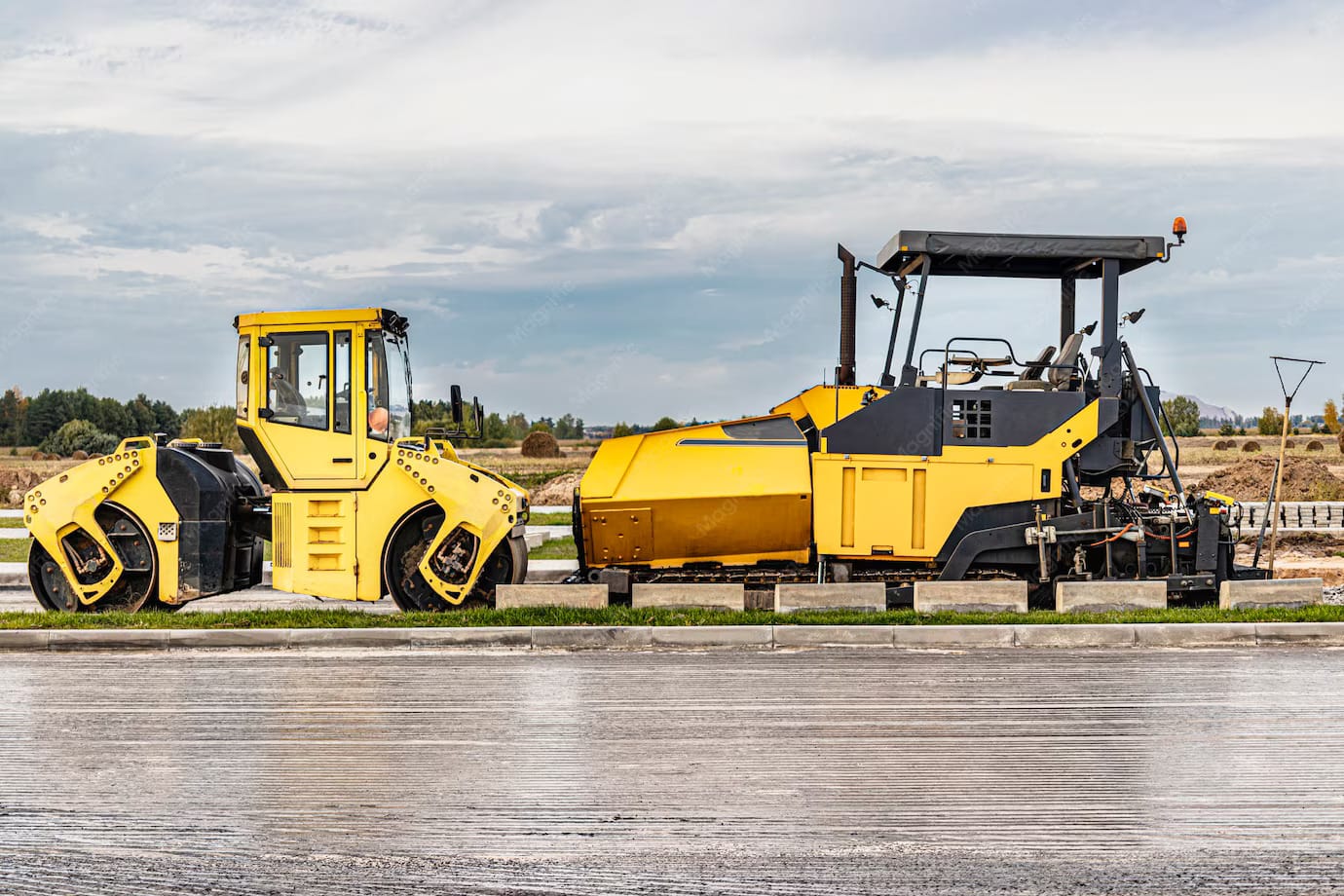
Home › Industrial and Heavy-Duty Asphalt Paving
Handle trucks and forklifts with confidence using our industrial asphalt paving in Memphis, TN. We design thicker sections, stronger bases, and reinforced asphalt mixes for loading docks, distribution yards, and heavy traffic areas.
Precision Asphalt Memphis provides professional industrial asphalt paving throughout Memphis, TN, Tennessee and the surrounding area. Our licensed, insured crew delivers safe, clean, on-time work with a free estimate before anything begins. Call (901) 519-3028 or request your free quote.

Industrial Asphalt Paving for Memphis Facilities
Industrial asphalt paving is different from paving a driveway or small parking lot. The loads are heavier, the traffic patterns are harsher, and the risk of downtime is much more costly. Precision Asphalt Memphis focuses on heavy-duty asphalt systems built specifically for Memphis warehouses, distribution centers, manufacturing plants, trucking yards, and industrial parks.
Our crews live and work in the Memphis area, so we understand how 18‑wheelers turning into a loading dock on a humid August afternoon will stress the pavement. When we design industrial asphalt paving, we look at how forklifts will travel, where trailers sit for hours, and how often heavy equipment crosses the same paths. Those details determine everything from the base thickness to the asphalt mix we recommend.
If you manage an industrial property in Memphis, our goal is not just to lay asphalt. We help you prevent rutting, sinking, and edge failures that interfere with operations. From the first site walk to the final striping, you work with a local team that knows Tennessee soils, Memphis weather patterns, and the demands of regional trucking and logistics.
Site Evaluation, Soil Conditions, and Drainage Planning
Industrial asphalt paving starts long before the first load of asphalt reaches your property. Our estimator from Precision Asphalt Memphis walks the site with you, studies current traffic patterns, and notes loading dock locations, dumpster pads, fuel areas, and any places where water already ponds after a storm.
Under heavy truck traffic, weak subgrade is the fastest way to fail a new pavement. In Memphis, we see a mix of clay and silty soils. Clay holds water and expands, then shrinks in summer heat, which can lead to cracking and depressions. We assess soil stability and, when needed, call for proof-rolling, soil stabilization with lime or cement, or subgrade replacement in the worst spots. This prevents the base from pumping and shifting under repeated loads.
Drainage is just as critical. Standing water is the enemy of industrial asphalt. We design slopes so water runs to inlets or swales instead of settling in paths where trucks stop and turn. Our crew checks existing storm structures and may recommend additional inlets, adjustments to rim elevations, or trench drains in front of dock doors. Getting drainage right at the beginning can add years of life to an industrial pavement in Memphis’ frequent heavy rains.
Base Construction and Heavy-Duty Thickness Design
For industrial asphalt paving, the strength of the pavement is mostly in the layers you never see. Once the subgrade is addressed, Precision Asphalt Memphis builds a stone base that matches your traffic loads. For typical car parking you might see 4 to 6 inches of base. For heavy truck lanes, dock aprons, and container storage, we often recommend 8 to 12 inches or more of compacted crushed stone.
We use dense-graded aggregate that locks together, then compact it in thin lifts with vibratory rollers to reach proper density. In high stress areas like dumpster pads or fuel delivery points, we may reinforce the base with larger stone, geogrid, or a concrete pad tied into the asphalt. The goal is to prevent settlement and alligator cracking where trucks pivot or stand for long periods.
Thickness design is based on your specific use. A light industrial facility with occasional box trucks does not need the same pavement structure as a busy freight terminal near the Memphis airport. We discuss axle loads, truck counts, and where trucks will turn or queue. From there, we lay out separate sections for car parking, mixed traffic, and dedicated heavy-duty lanes so you are not overpaying for thickness where it is not needed.
Asphalt Mixes and Construction Methods for Heavy Loads
Not all asphalt is the same. Industrial asphalt paving in Memphis relies on mixes that are stiffer and more rut resistant than what you would put on a neighborhood driveway. Precision Asphalt Memphis typically uses a coarse base course mix for the first lift, then a finer surface mix that stands up to turning trucks while still giving a smooth ride.
For truck lanes and loading docks, we often increase the percentage of crushed aggregate and use performance-graded binders that handle both Memphis summer heat and winter temperature swings. This reduces the risk of rutting and shoving where trucks start and stop. In some high stress areas we may specify a thicker surface lift or a special mix design, and we explain those options and costs before work begins.
Construction timing and temperature are critical. We schedule large industrial paving during seasons and times of day when we can maintain proper asphalt temperature from plant to site, then to the rollers. In Memphis, that often means spring and fall for big projects, with early morning or evening work in peak summer. Our crews coordinate truck deliveries so pavers keep moving and joints stay tight, which leads to a denser, more durable mat under heavy loads.
Phasing, Safety, and Minimizing Downtime for Industrial Sites
Industrial properties cannot simply shut down for a week while paving happens. Precision Asphalt Memphis works with plant managers, safety coordinators, and yard supervisors to plan phasing that keeps shipping and receiving moving. We often divide projects into zones, such as completing outbound truck lanes first, then inbound lanes, then employee parking.
Before work starts, we map haul routes for our dump trucks and equipment so they do not interfere with your operations or damage existing utilities and structures. We can schedule work on weekends or off-shifts, coordinate with your carrier arrivals, and provide temporary access paths so employees and vendors can still enter the facility safely.
Safety is part of every plan. Industrial sites have forklifts, pedestrians, and trucks in the same space. We use clear barricades, on-site flaggers where needed, and coordination meetings so your team knows when certain gates or docks will be inaccessible. Careful phasing reduces confusion on the yard, which protects your people, our crews, and your schedule.
Cost Drivers, Local Conditions, and Maintenance for Long Life
The cost of industrial asphalt paving in Memphis depends on more than square footage. The main drivers are subgrade condition, required base and asphalt thickness, mix type, drainage improvements, and how complicated the phasing must be to keep your facility running. Projects that require soil stabilization or added drainage structures have higher upfront costs, but usually a much lower long-term risk of failure.
Local conditions matter. Memphis heat can soften low quality asphalt mixes, which is why we do not cut corners on binder grade for heavy-duty areas. Frequent rain exposes any weakness in drainage or base density. For that reason we recommend planning major paving between late March and early June, or late September through early November, when temperatures and rainfall patterns generally give the best window for production and compaction.
Once your pavement is in place, a simple maintenance plan can double its life. Heavy-duty pavements benefit from regular crack sealing, especially along joints and in high load areas, to keep water out of the base. Periodic sealcoating is sometimes appropriate for mixed-use surfaces, although for pure truck yards we focus more on structural condition and drainage than appearance. We encourage annual or biannual walkthroughs with a Precision Asphalt Memphis representative to catch small issues like early rutting at specific docks, broken edges, or clogged drains before they become expensive structural repairs.
Why Memphis Facilities Choose Precision Asphalt Memphis
Industrial owners and facility managers around Memphis work with Precision Asphalt Memphis because we understand that your yard is an essential part of your operation, not just a paved surface. We design every project around how your facility actually runs, from shift changes and truck counts to where trailers stage overnight.
We are a local company, so when a cold front pushes in earlier than expected or a mid-summer heat wave changes compaction timing, we adapt based on years of experience with Tennessee weather. Our crews are trained to work in active industrial environments and we maintain communication with your team from planning through final inspection.
Before you commit, we can provide pavement section drawings, written thickness recommendations, and a clear scope that distinguishes car parking from heavy-duty zones. This transparency lets you compare options, understand where your money is going, and make informed decisions that keep your facility operating smoothly for years.